With the 2027 governorship election gradually approaching, Oyo State has entered a new phase of political activity. Although the official campaign season is yet to begin, consultations, strategic meetings and behind-the-scenes negotiations are already redefining the state’s political landscape. For the first time in eight years, the governorship contest will take place without an incumbent seeking re-election, making the race one of the most open and unpredictable in the state’s democratic history.
Governor Seyi Makinde’s exit after completing his second constitutional term has created a leadership vacuum that several political heavyweights are eager to fill. As a result, succession politics has become the dominant issue across party lines, with aspirants and stakeholders positioning themselves ahead of party primaries.
The Peoples Democratic Party (PDP), which has governed Oyo State since 2019, is navigating one of its most challenging moments. Internal disagreements over succession have tested the party’s unity, leading to the emergence of different camps. Former Deputy Governor Hazeem Gbolarumi has emerged as a prominent figure within the PDP, while Governor Makinde’s political influence continues to shape conversations about the party’s future.
One of the most significant developments is the growing prominence of the Allied Peoples Movement (APM). Once considered a minor political platform, the party has attracted politicians associated with Makinde’s political structure. Hon. Bimbo Adekanmbi has emerged as the APM’s governorship candidate, with many observers viewing the party as a major force capable of influencing the election. The movement of several politicians, including former lawmaker Shina Peller and other key political figures, has strengthened the party’s grassroots presence across the state.
The All Progressives Congress (APC), meanwhile, is determined to reclaim power after losing consecutive governorship elections in 2019 and 2023. Senator Sharafadeen Abiodun Alli has emerged as the party’s standard-bearer, and the APC leadership is focusing on reconciliation following its primary election. The party believes that unity, coupled with its connection to the Federal Government, could improve its chances at the polls.
Another development attracting attention is the reported political alignment of former Deputy Governor Taofeek Arapaja with the APC. Arapaja’s influence, particularly within Ibadan and other strategic areas, could strengthen the opposition if his supporters fully integrate into the party’s structure.
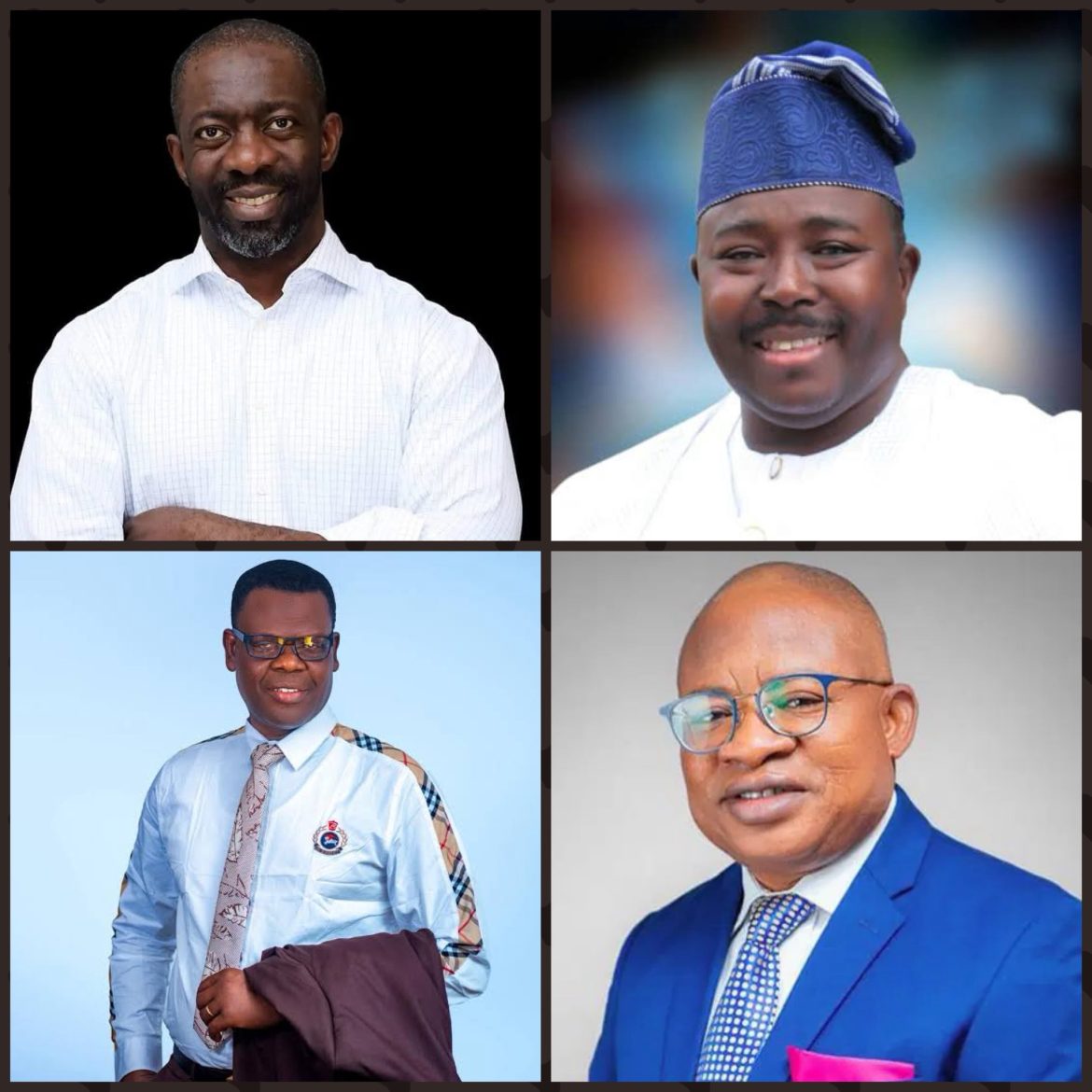
Smaller parties are also shaping the political conversation. The African Democratic Congress (ADC) has witnessed competing interests involving figures such as Bisi Ilaka, Gbemileke Alagbe and Adegboyega Adegoke. Internal disagreements have created uncertainty, but the party could still become an important player through alliances or endorsements.
The Accord Party, another familiar force in Oyo politics, is experiencing its own internal contest. Media entrepreneur Oriyomi Hamzat and Olakunle Busari are among the names linked with the party’s governorship ambition. Whether the Accord Party remains independent or eventually aligns with a larger political platform may become clearer after the primary season.
The Labour Party is equally preparing for the election despite facing challenges at the national level. While its structure may not match that of the PDP or APC, the party hopes to build on the support it recorded during previous elections and could influence outcomes in closely contested areas.
Beyond individual candidates, the defining feature of the race is the wave of political defections and alliance-building. In Oyo politics, party loyalty has often taken second place to political strategy. Aspirants and elected officials frequently change platforms in search of better opportunities, stronger structures or improved chances of securing nominations. This trend is expected to continue as the election draws nearer.
Political analysts believe three possible scenarios could emerge before 2027. The first is the consolidation of Governor Makinde’s political family around the APM, strengthening the party’s bid to retain influence after his tenure. The second is an APC resurgence driven by successful reconciliation and additional defections from rival parties. The third is a highly fragmented election in which the PDP, APC, APM, ADC, Accord Party and Labour Party all field competitive candidates, making local government mobilisation and voter turnout decisive factors.
Several issues will ultimately determine the outcome of the election. Internal party unity, the credibility of candidates, campaign organisation, grassroots mobilisation, youth participation and public perception of the outgoing administration are all expected to play significant roles. Economic conditions, infrastructure, education, healthcare, security and job creation are also likely to dominate campaign debates as voters demand practical solutions rather than political rhetoric.
For now, the contest remains wide open. While no party can confidently claim an advantage, one thing is certain: Oyo State is heading toward a fiercely contested governorship election. As consultations continue and alliances evolve, the political decisions made before campaigns officially begin may prove just as important as the votes cast on election day.