By Jija-Bokoti Media
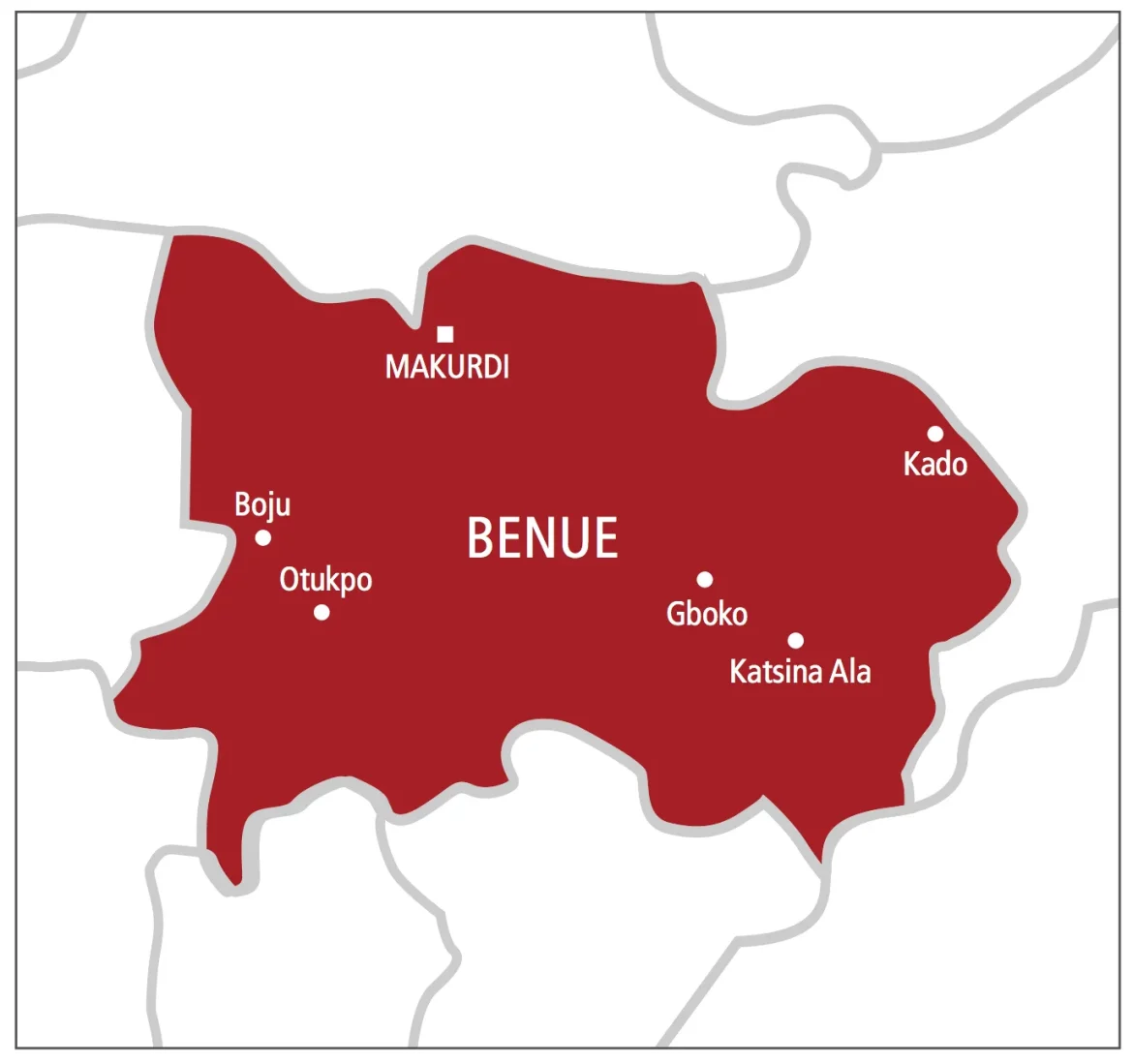
The Dr Ray Anumve Foundation (DRAF) has rejected the reported inclusion of Benue State in the Federal Government’s proposed pilot ranching programme, describing the initiative as unacceptable in its present form and calling for full transparency regarding any proposed land allocation.
In a press statement signed by its Executive Director, Dr Raymond Tavershima Anumve, on August 14, 2026, the foundation said Benue had no land to surrender for government-sponsored ranching settlements.
DRAF warned against any attempt to acquire, designate or allocate community land without the consent and participation of affected communities.
However, the foundation clarified that its position was not opposition to ranching itself, describing ranching as a legitimate agricultural and commercial enterprise.
According to DRAF, individuals, companies, cooperatives and livestock entrepreneurs should be free to establish ranches through lawful land acquisition, voluntary agreements with willing landowners and private investment.
The foundation argued that the government’s role should be to establish an enabling regulatory environment and provide appropriate public infrastructure, rather than arbitrarily privileging one commercial enterprise or occupational group over another.
Where Is the Equivalent Programme for Benue Farmers?
DRAF questioned why public resources should be committed to ranching infrastructure when millions of Benue farmers continue to face insecurity, displacement and inadequate agricultural infrastructure.
The foundation asked the Federal Government to explain where equivalent federally funded model farms, irrigation schemes, mechanisation centres, storage facilities, processing plants and agricultural technology hubs for Benue’s crop farmers were.
It also questioned the use of public funds for infrastructure such as veterinary clinics, healthcare facilities, water systems, solar power, fodder systems and abattoirs associated with ranching communities while displaced farming communities continue to struggle to rebuild their homes, farms and livelihoods.
According to the foundation, the issue is ultimately one of justice, equality and responsible public expenditure.
Displaced Benue Farmers Must Come First
DRAF said the proposed ranching programme cannot be considered separately from the security crisis that has affected several Benue communities for years.
The foundation noted that residents have been killed and displaced from their ancestral communities, while many have lost their homes, farms and livelihoods as a result of persistent violence.
It therefore called on the Federal Government to prioritise the security and safe return of displaced citizens before embarking on new land-intensive livestock projects.
“The first responsibility of government should be to restore security and facilitate the safe return and resettlement of displaced citizens.”
DRAF questioned the rationale for considering new livestock infrastructure in areas where many farmers remain unable to safely return to their ancestral homes.
DRAF Demands Full Disclosure
The foundation is demanding complete transparency over the reported selection of Benue State.
Among other things, DRAF wants the Federal Government to disclose:
- The precise locations being considered for the programme.
- The size and ownership of the proposed land.
- The legal basis for any acquisition or allocation.
- The identity of intended beneficiaries.
- The amount of public funds to be committed.
- Whether affected communities have been consulted.
- Whether legitimate landowners have consented.
- What safeguards will prevent permanent alienation of community land.
DRAF also wants clarification on whether the programme is intended primarily for commercial livestock investors or whether it could result in permanent settlements for particular pastoralist communities.
Until these questions are answered publicly, the foundation said Benue citizens should not be expected to accept the programme.
‘Benue Is Not an Empty Geographical Space’
DRAF described Benue as one of Nigeria’s major agricultural regions and argued that its land should not be treated as an empty geographical space available for allocation to whichever economic activity the Federal Government chooses.
According to the foundation, the land represents the ancestral homeland of communities that have farmed, built homes and established generations of social and cultural ties to it.
It warned that any federal policy that disregards existing ownership, customary interests and lawful land rights could create further tension.
“The farmer must not become the victim of livestock policy.”
Ranching Must Not Become Another Source of Conflict
While acknowledging the Federal Government’s stated objective of modernising livestock production and addressing farmer-herder tensions, DRAF said ranching policies must take into account the unique circumstances of individual states.
The foundation argued that Benue’s security challenges cannot simply be reduced to ordinary farmer-herder disagreements, given the reported scale of killings, destruction, displacement and loss of access to ancestral communities.
It maintained that a policy designed to resolve conflict must not inadvertently create a new dispute over land.
DRAF therefore advocated a gradual, voluntary and participatory approach to livestock development, allowing genuine livestock entrepreneurs to acquire land through lawful and transparent commercial transactions with willing landowners.
Government Must Prioritise Resettlement
DRAF urged the Federal Government to prioritise a comprehensive programme for the safe return of displaced Benue citizens, reconstruction of destroyed communities, restoration of farms and livelihoods, support for victims, rehabilitation of schools and healthcare facilities, improved security and protection of returning populations.
It also called for the investigation and prosecution of perpetrators of killings, destruction and unlawful occupation.
The foundation maintained that a government that has not adequately secured the return of displaced farmers cannot reasonably ask those communities to surrender additional land for another economic programme.
No Ethnic or Occupational Privilege
DRAF also called for equal treatment of all Nigerians and opposed what it described as any form of ethnic or occupational privilege in public policy.
The foundation said it supports a transparent national livestock development policy that incorporates private investment, modern veterinary services, animal identification, disease control, dairy development and processing, among other components of a modern livestock economy.
However, it argued that such a policy must not become a mechanism for creating permanent territorial arrangements for one population on land belonging to another.
DRAF’s Demands
The Dr Ray Anumve Foundation called on the Federal Government to:
- Suspend the inclusion of Benue State in the pilot ranching programme until transparent consultation and all necessary lawful approvals are secured.
- Guarantee that no ancestral or community land in Benue will be compulsorily acquired or allocated for ranching outside due process.
- Publish the complete framework, funding arrangements, proposed locations and intended beneficiaries of the programme.
- Prioritise the resettlement of displaced Benue citizens and reconstruction of communities affected by violence.
- Ensure equal treatment of all agricultural producers in the allocation of public resources.
- Allow genuine livestock entrepreneurs to establish ranches through private investment and lawful, voluntary land acquisition.
- Respect the Land Use Act, constitutional rights, customary interests and relevant state authorities in land-use decisions.
- Engage Benue communities openly and transparently before considering any land-intensive livestock project.
‘Benue Will Not Surrender Its Future’
DRAF said the controversy goes beyond ranching and touches on the fundamental question of whether Benue people will retain meaningful control over their ancestral land.
The foundation argued that development should empower citizens rather than dispossess them, insisting that displaced communities should be resettled before new settlements are contemplated.
It called on the Federal Government to secure Benue, resettle displaced citizens, protect farmers and consult communities before embarking on any land-intensive ranching initiative.
“The Federal Government should secure Benue before seeking to redesign it. It should resettle the displaced before contemplating new settlements. It should protect the farmer before subsidising the rancher. And it should consult the people before touching their land.”
The foundation concluded with a firm position:
“Our land is not available for appropriation under the guise of a federal ranching experiment.”
The statement was signed by Dr Raymond Tavershima Anumve, PhD, Executive Director, Dr Ray Anumve Foundation (DRAF), on August 14, 2026.
Jija-Bokoti Media
International News and Magazine
Reporting for Development, Unity and Responsible Leadership.